Device management is pretty essential for digital signage networks of any scale – especially those with multiple, dispersed locations. It’s one thing to walk into an on-premise server closet and reboot a PC or router, but can be quite another to make that happen at a location in another state or country.
Many SMS platforms have their own built-in device management software applications, and even some solutions companies (notably Diversified, which has an amazing set of remote controls it uses).
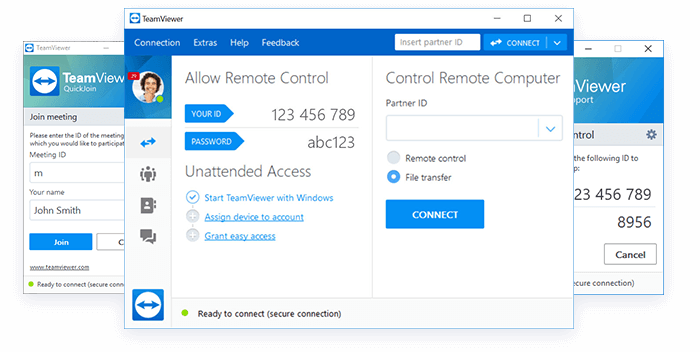
But for solutions that don’t, third party applications like TeamViewer are (hopefully) used. Taiwan-based display company BenQ – which has not been an overly active player in digital signage – has announced a partnership with TeamViewer that will make its remote monitoring and control software available, pre-installed, on Android smart displays.
Says a press release:
BenQ’s line of digital signage will from now on come with TeamViewer’s QuickSupport agent for Android pre-installed, enabling the administrator to remotely access the functionality of the displays from his workstation anywhere, at any time.
Whether the displays are used for advertising messages, menus or signposts in restaurants or hotels, for special offers in retail, or as an information board in the corporate environment – with TeamViewer, admins get access to an easy-to-use solution for monitoring, control and support of BenQ displays from afar to swiftly resolve issues on the devices in a time and cost effective manner, saving them a trip to the physical machine.
This is smart and necessary. Device management is essential, unless a network has technical people available and happy to help revive cranky equipment. If there is no remote management available, and the people on site either don’t know how to help or don’t wan’t to, then a service tech has to go, which is $$$$$.
I THINK how this works is that the client software is free but end-users pay monthly subscription access from a desktop, with the fee based on the number of access accounts, not the number of end-points (ie screens).